The Complete Guide to Dog Nutrition: Everything You Need to Know
A complete guide to dog nutrition, covering essential nutrients, food types, feeding tips, and common mistakes to help your dog live a healthier, longer life.
Introduction
Proper nutrition is the foundation of your dog’s health, longevity, and overall well-being. Whether you have a playful puppy, an active adult dog, or a senior companion, understanding what goes into their diet can make a significant difference in their quality of life. This guide covers everything from essential nutrients to feeding strategies, common mistakes, and how to choose the right food.
1. Why Dog Nutrition Matters
Nutrition affects nearly every aspect of your dog’s health:
- Energy levels and activity
- Immune system strength
- Skin and coat condition
- Digestive health
- Weight management
- Lifespan
A balanced diet helps prevent chronic conditions such as obesity, diabetes, joint problems, and heart disease.
2. Essential Nutrients for Dogs
2.1 Proteins
Proteins are the building blocks of your dog’s body. They support muscle development, tissue repair, and immune function.
Sources: Chicken, beef, fish, eggs, lamb
2.2 Fats
Fats provide energy and support brain function, skin health, and vitamin absorption.
Sources: Fish oil, chicken fat, flaxseed
2.3 Carbohydrates
While not essential, carbohydrates provide energy and fiber for digestive health.
Sources: Rice, oats, sweet potatoes, barley
2.4 Vitamins
Vitamins support metabolism, immune function, and overall health.
Key vitamins include A, D, E, K, and B-complex.
2.5 Minerals
Minerals are crucial for bone health, nerve function, and fluid balance.
Important minerals include calcium, phosphorus, potassium, and zinc.
2.6 Water
Water is the most important nutrient. Dogs should always have access to clean, fresh water.
3. Types of Dog Food
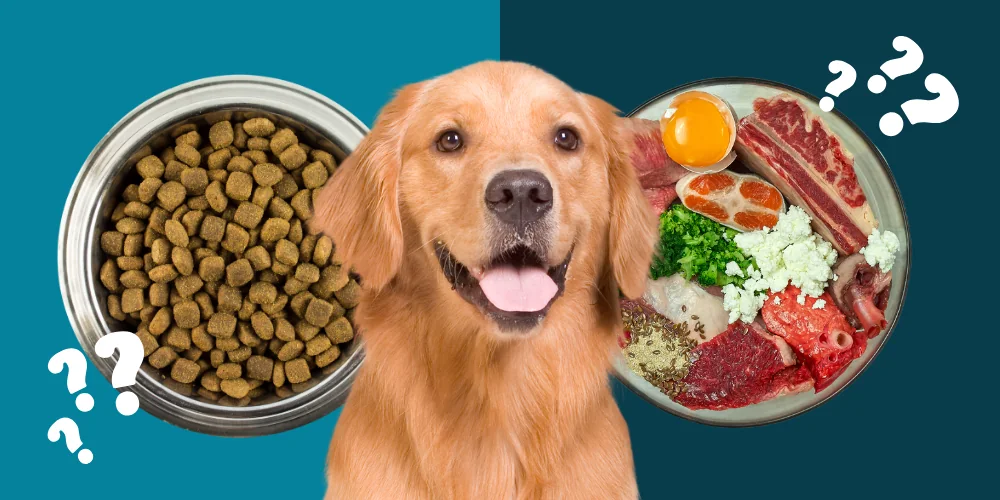
3.1 Dry Food (Kibble)
- Convenient and affordable
- Helps maintain dental health
- Long shelf life
3.2 Wet Food (Canned)
- Higher moisture content
- More palatable for picky eaters
- Often more expensive
3.3 Raw Diet
- Mimics ancestral diet
- Requires careful preparation to avoid contamination
3.4 Homemade Diet
- Full control over ingredients
- Must be carefully balanced to avoid deficiencies
3.5 Freeze-Dried and Dehydrated Food
- Retains nutrients
- Lightweight and convenient
4. Choosing the Right Dog Food
When selecting dog food, consider:
- Age: Puppies, adults, and seniors have different nutritional needs
- Breed size: Small, medium, and large breeds differ in metabolism
- Activity level: Active dogs need more calories
- Health conditions: Allergies, obesity, or chronic illness
What to Look for on Labels
- Named protein source as the first ingredient
- AAFCO (or equivalent) nutritional adequacy statement
- Minimal fillers and artificial additives
5. Feeding Guidelines
5.1 Portion Control
Follow feeding recommendations but adjust based on your dog’s weight and activity.
5.2 Feeding Frequency
- Puppies: 3-4 meals per day
- Adults: 1-2 meals per day
- Seniors: 2 smaller meals per day
5.3 Treats
Treats should make up no more than 10% of daily caloric intake.
6. Special Diet Considerations
6.1 Puppies
Require higher protein and calorie intake for growth.
6.2 Senior Dogs
May need fewer calories but more joint-support nutrients.
6.3 Dogs with Allergies
Common allergens include chicken, beef, dairy, and grains.
6.4 Overweight Dogs
Require calorie-controlled diets and increased exercise.
7. Common Dog Nutrition Mistakes
- Overfeeding
- Feeding table scraps
- Ignoring ingredient quality
- Sudden diet changes
- Lack of fresh water
8. Human Foods: Safe vs Dangerous
Safe (in moderation)
- Carrots
- Apples (without seeds)
- Blueberries
- Cucumber
- Cooked, unseasoned chicken
- Plain cooked rice
Dangerous (never feed)
- Chocolate
- Grapes and raisins
- Onions and garlic
- Anything sweetened with xylitol
- Alcohol
- Macadamia nuts
- Cooked bones (they can splinter)
If your dog has eaten something from the dangerous list, contact your vet right away.
Conclusion
Good nutrition is not complicated, but it is consistent: a complete, high-quality diet, portions that match your dog's age and activity, slow transitions when you change food, and fresh water at all times. Your dog cannot choose what lands in the bowl. That part is up to you, and it is one of the most powerful things you do for their health every single day.
Curious what your dog is feeling?
Voicari reads vocalizations together with heart rate, respiration and activity to show you how your dog is really doing.
Discover Voicari