Der ultimative Guide zur Hundesicherheit: So schützt du deinen Hund in jeder Situation
Die wichtigsten Sicherheitstipps für Hundebesitzer: von Gefahren im Haushalt über Risiken draußen bis zu sicherem Reisen und Notfallvorsorge, damit dein Hund in jeder Situation geschützt ist.

Einleitung
Deinen Hund zu schützen bedeutet mehr, als ihm Futter und ein Zuhause zu geben. Vom eigenen Zuhause bis zu Abenteuern draußen können alltägliche Situationen versteckte Risiken bergen. Dieser umfassende Guide zeigt dir, wie du deinen Hund vor häufigen Gefahren schützt und jederzeit für seine Sicherheit sorgst.
1. Sicherheit zu Hause
Dein Zuhause sollte ein sicherer Rückzugsort sein, doch viele Haushaltsgegenstände können gefährlich werden.
Häufige Gefahren im Haushalt
- Reinigungsmittel
- Medikamente
- Stromkabel
- Kleine Gegenstände (Erstickungsgefahr)
Tipps für ein hundesicheres Zuhause
- Bewahre Chemikalien außer Reichweite auf
- Nutze bei Bedarf Kindersicherungen
- Halte Mülleimer gut verschlossen
- Lass Essen nie unbeaufsichtigt stehen
2. Giftige Lebensmittel und Substanzen
Viele alltägliche Lebensmittel sind für Hunde schädlich oder sogar tödlich.
Gefährliche Lebensmittel
- Schokolade
- Weintrauben und Rosinen
- Zwiebeln und Knoblauch
- Alkohol
- Xylit (in Kaugummi und Süßigkeiten enthalten)
Giftige Pflanzen
- Lilien
- Aloe vera
- Sagopalme
- Tulpen
Informiere dich immer, bevor du neue Pflanzen oder Lebensmittel in dein Zuhause holst.
3. Sicherheit draußen
Leine und Kennzeichnung
- Nutze in der Öffentlichkeit immer eine Leine
- Achte darauf, dass dein Hund eine Hundemarke trägt
- Ein Mikrochip bietet zusätzlichen Schutz
Sicherheit bei jedem Wetter
Bei Hitze:
- Vermeide Spaziergänge in der Mittagshitze
- Sorge für Schatten und Wasser
- Lass deinen Hund niemals im geparkten Auto zurück
Bei Kälte:
- Begrenze die Zeit bei Minusgraden
- Nutze Hundemäntel für kurzhaarige Rassen
- Schütze die Pfoten vor Eis und Streusalz
4. Sicherheit im Auto und auf Reisen
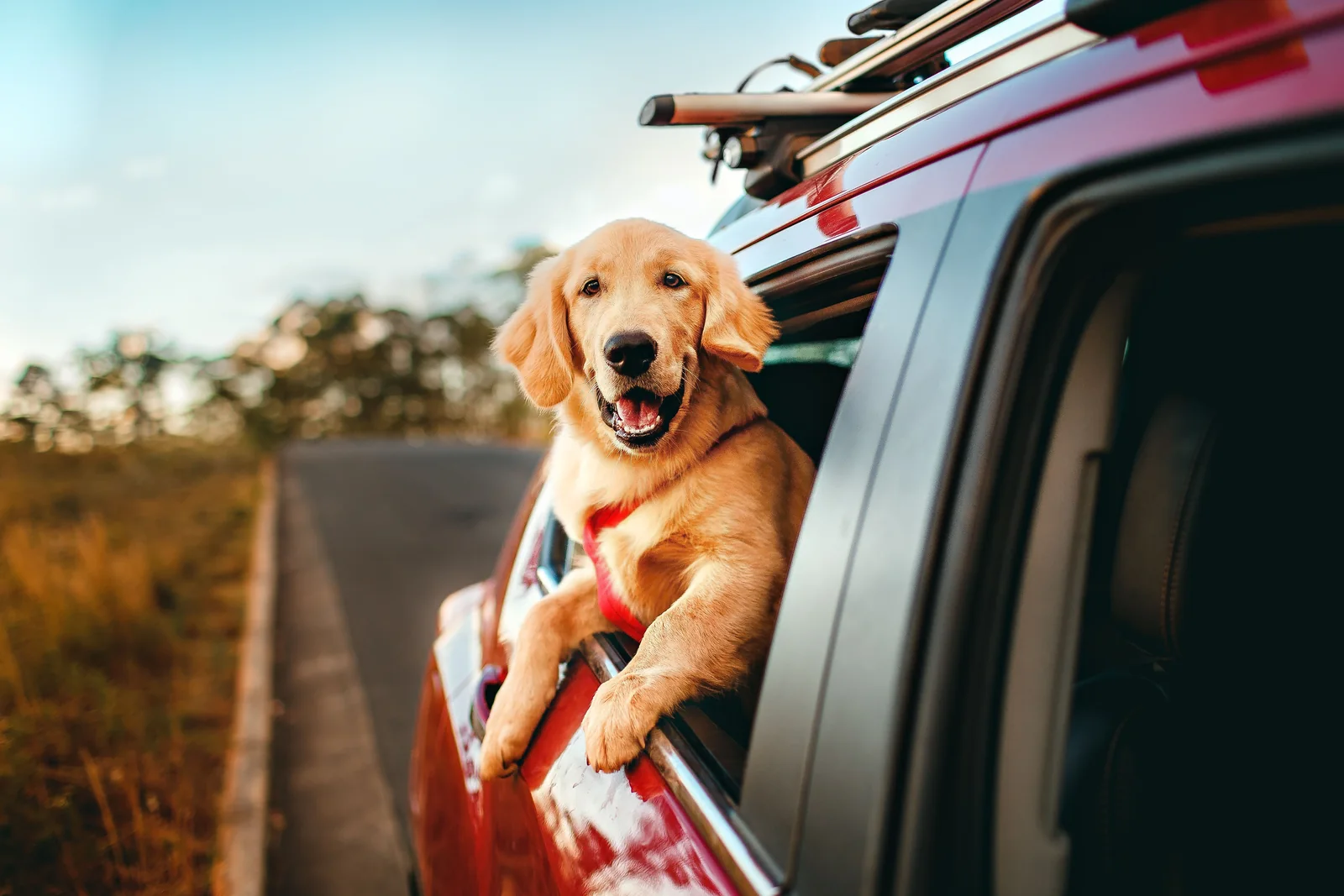
Hunde sollten sich in einem fahrenden Auto niemals frei bewegen können.
Sicherheitstipps
- Nutze einen Hundesicherheitsgurt oder eine Transportbox
- Lass deinen Hund nie auf dem Vordersitz mitfahren
- Mache auf langen Fahrten Pausen
- Lass deinen Hund niemals allein im Auto
5. Sicherheit im Sozialverhalten
Umgang mit Menschen
- Beaufsichtige Kinder im Umgang mit Hunden
- Zeige ihnen den richtigen Umgang
Umgang mit anderen Hunden
- Achte auf Anzeichen von Aggression oder Angst
- Meide überfüllte Hundewiesen, wenn dein Hund ängstlich ist
Warnsignale erkennen
- Knurren
- Steife Körperhaltung
- Übermäßiges Bellen
Wer diese Signale versteht, kann Unfälle verhindern.
6. Ausbüxen verhindern
Hunde sind von Natur aus neugierig und versuchen manchmal zu entwischen.
So beugst du vor
- Sichere Zäune und Tore
- Nutze bei Bedarf GPS-Tracker
- Trainiere einen zuverlässigen Rückruf
7. Gesundheit und Vorsorge
Regelmäßige Tierarztbesuche
Routineuntersuchungen helfen, Probleme früh zu erkennen.
Impfungen und Parasitenschutz
Schütze deinen Hund vor Krankheiten, Flöhen, Zecken und Würmern.
Fellpflege
Regelmäßige Pflege beugt Hautinfektionen und Beschwerden vor.
8. Vorbereitet für den Notfall
Erste-Hilfe-Grundlagen
- Halte ein Erste-Hilfe-Set für Haustiere bereit
- Wisse, was bei Ersticken oder Verletzungen zu tun ist
Notfallkontakte
- Speichere die Nummer deiner Tierarztpraxis
- Finde heraus, wo die nächste Tierklinik ist
Für den Ernstfall planen
- Stelle ein Notfallset für dein Tier zusammen
- Habe einen Evakuierungsplan, der deinen Hund einschließt
9. Training für mehr Sicherheit
Grundkommandos können deinem Hund das Leben retten.
Die wichtigsten Kommandos
- Sitz
- Bleib
- Komm
- Aus
Konsequentes Training verbessert die Kontrolle und senkt das Risiko.
10. Anzeichen, dass dein Hund in Gefahr sein könnte
- Plötzliche Verhaltensänderungen
- Übermäßiges Hecheln oder Speicheln
- Humpeln oder Verletzungen
- Appetitlosigkeit
Handle schnell, wenn du ungewöhnliche Symptome bemerkst.
11. Fazit
Hundesicherheit erfordert Aufmerksamkeit, Vorbereitung und Konsequenz. Wenn du Risiken erkennst und vorbeugst, schaffst du eine sichere Umgebung, in der dein Hund aufblühen kann.
Ein sicherer Hund ist ein glücklicher Hund, und ein verantwortungsvoller Mensch an seiner Seite macht den entscheidenden Unterschied.
Bonus: Schnelle Sicherheits-Checkliste
- ✔ Sichere dein Zuhause
- ✔ Vermeide giftige Lebensmittel und Pflanzen
- ✔ Sorge für eine eindeutige Kennzeichnung
- ✔ Sei auf Notfälle vorbereitet
- ✔ Trainiere die Grundkommandos
Dein Hund verlässt sich bei seiner Sicherheit auf dich, mach sie jeden Tag zur Priorität.
Neugierig, was dein Hund fühlt?
Voicari analysiert Lautäußerungen zusammen mit Herzfrequenz, Atmung und Aktivität und zeigt dir, wie es deinem Hund wirklich geht.
Voicari entdecken